
Organoid and organ-on-a-chip platforms supporting modern therapeutic discovery and development
Organoid and organ-on-chip technologies allow scientists to study drug responses in models that closely mimic human tissue architecture and cell complexity while recapitulating microenvironmental factors. We provide organoid and organ-on-chip models that allow for the testing of drug efficacy, toxicity, and mechanism of action in more physiologically relevant systems.
Contact Us for a Free Consultation
Advancing Drug Discovery with Organoid and Organ-on-Chip Platforms
Drug discovery and development processes continue to be laborious and risky with over 90% of drugs failing late in development. One reason is that existing experimental modalities frequently lack predictability for human physiology and disease response.
Organoid-based assays are platforms that recapitulate therapeutic response and toxicity in more physiologically relevant settings. Organoids maintain tissue architecture and heterogeneity of cell types found in vivo better than traditional two-dimensional cell cultures. Intersubject variations can also be investigated with patient-derived organoids to drive precision medicine applications.
Platforms like organ-on-a-chip can recapitulate fluid flow, exposure gradients, and inter-organ interactions enabling more physiologically relevant assessment of drug efficacy for pharmacokinetic and pharmacodynamic studies.
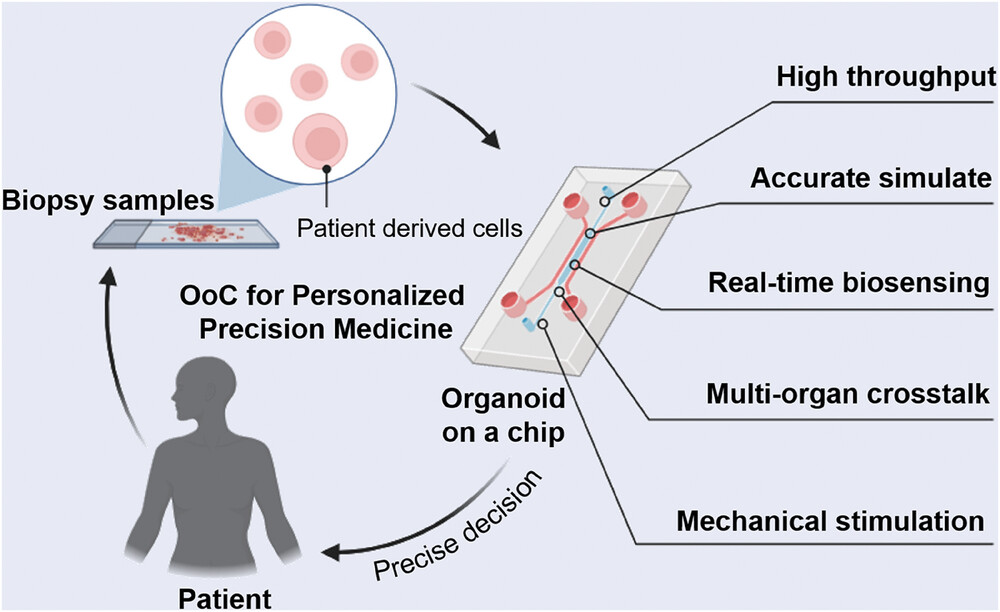 Fig. 1. Features and advantages of organoid-on-a-chip (Man Y, et al.,
2024).
Fig. 1. Features and advantages of organoid-on-a-chip (Man Y, et al.,
2024).
Both of these technological approaches are increasingly applied to therapeutic development, now featuring in drug screening, the testing of immunotherapies and gene therapies, and toxicity evaluations during the drug development process.
Therapeutic Development Areas
Our organoid and organ-on-chip platforms provide human-relevant systems for evaluating therapeutic strategies across multiple modalities.

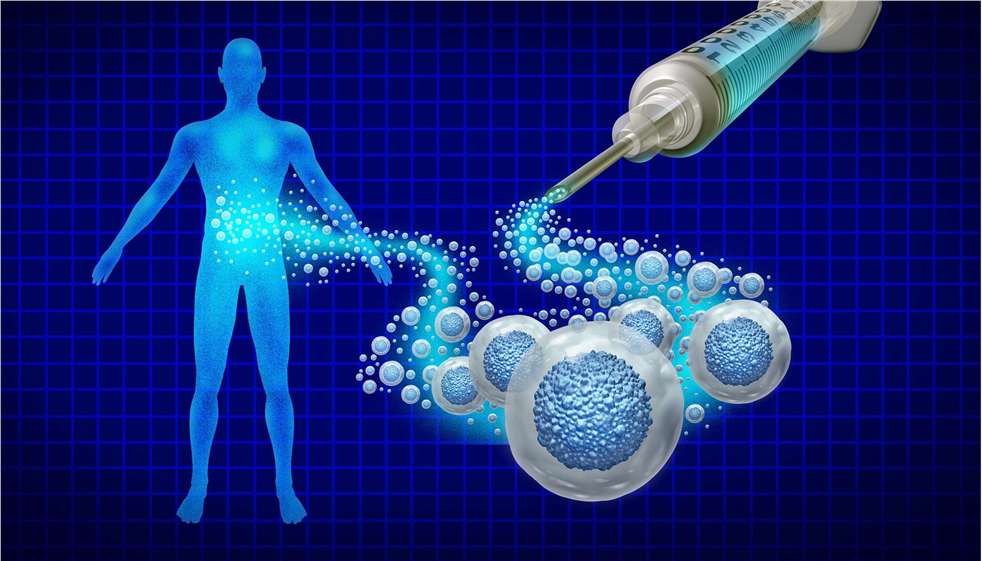
Personalized Medicine
Patient-derived organoids preserve patient-specific genetic features and enable evaluation of individualized drug responses.
Regenerative Medicine
Stem cell–derived organoids enable studies of tissue development, regeneration, and stem cell differentiation.
Immunotherapy Assessment
Tumor organoid–immune cell co-culture systems allow evaluation of immune checkpoint inhibitors and tumor–immune interactions.
Cell Therapy
Organoid and organ-on-chip platforms support studies of therapeutic cell function, engraftment, and tissue interactions.
Gene Therapy
Organoid models enable evaluation of gene editing technologies, viral vectors, and targeted genetic therapies in human tissue-like systems.
Typical Applications
- Drug efficacy screening
- Therapeutic target validation
- Immunotherapy evaluation
- Safety and toxicity assessment
- Mechanistic studies of therapeutic action
- Translational drug development
CTA
Accelerate your therapeutic development with advanced human models.
Partner with our scientists to design a customized research strategy.
Contact Us for a Free Consultation