
Inquiry
Model human diseases in 3D with patient-derived and stem-cell-derived organoids for research and drug development.
Organoid disease models are in vitro systems derived from tissues or stem cells that spontaneously self-organize into a miniature and simplified version of an organ. These three-dimensional cultures capture much of the cellular heterogeneity, tissue organization, and genetic background of the tissue of origin. Importantly, disease-associated phenotypes that are difficult to model with traditional 2D cell culture approaches can be retained in organoid cultures.
Due to their physiological relevance, organoid disease models have gained widespread adoption for studying disease biology, testing drug candidates, and increasing the predictivity of preclinical models.
Our organoid disease modeling platform leverages cutting-edge organoid culture technologies with custom disease modeling approaches to provide robust and reproducible organoid disease models for biomedical research and drug development.
Disease Areas Supported by Our Organoid Modeling Platform
At Creative Bioarray, our disease modeling expertise spans multiple organoid models and disease areas. We have experience applying organoid technologies to study:
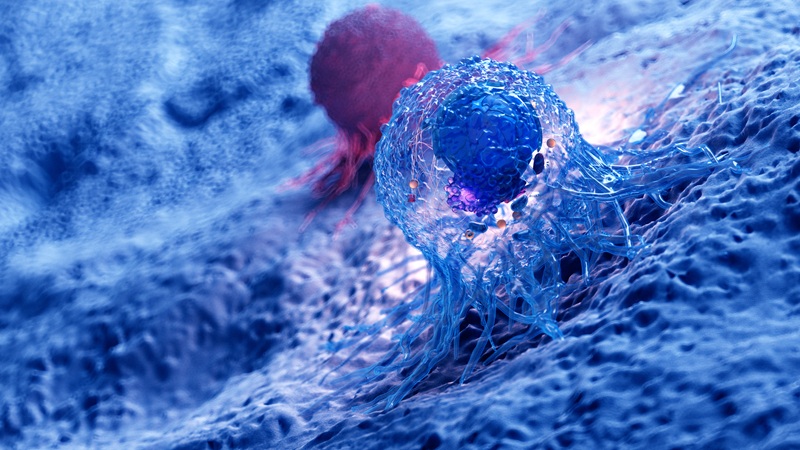
Cancer Organoid Models
Patient-derived tumor organoids maintain critical genomic and phenotypic characteristics of the tumor of origin and are commonly used in cancer research.
Neurological Disease Organoid Models
Brain organoids can be generated from stem cells and used to model neurodevelopment and organization.
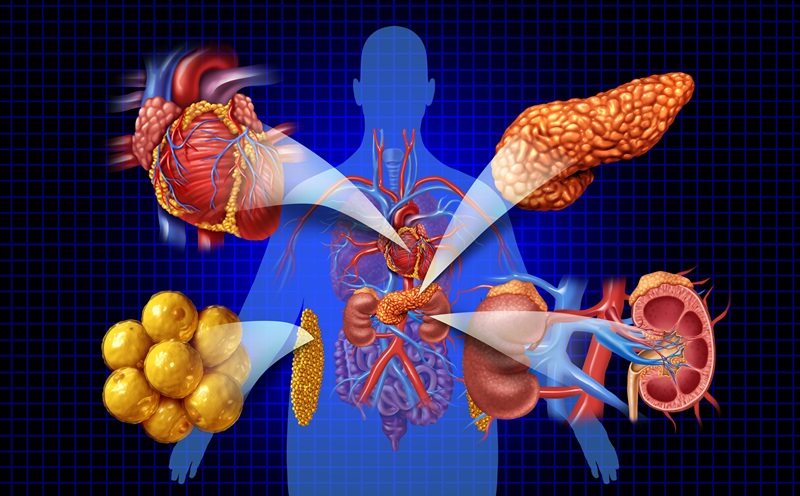
Metabolic Disease Organoid Models
Liver, intestinal, and pancreatic organoids provide relevant systems for investigating metabolic disorders, liver diseases, and metabolic regulation.
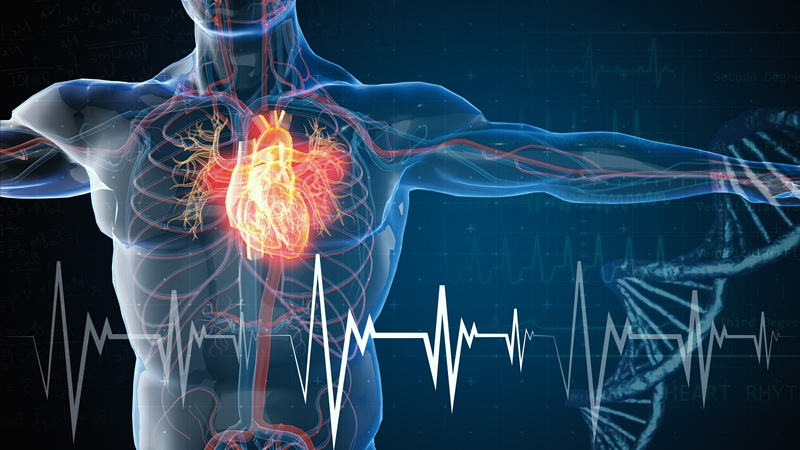
Cardiovascular Disease Organoid Models
Cardiac organoids replicate important structural and functional characteristics of heart tissue and support research into cardiomyopathies and cardiovascular drug responses.
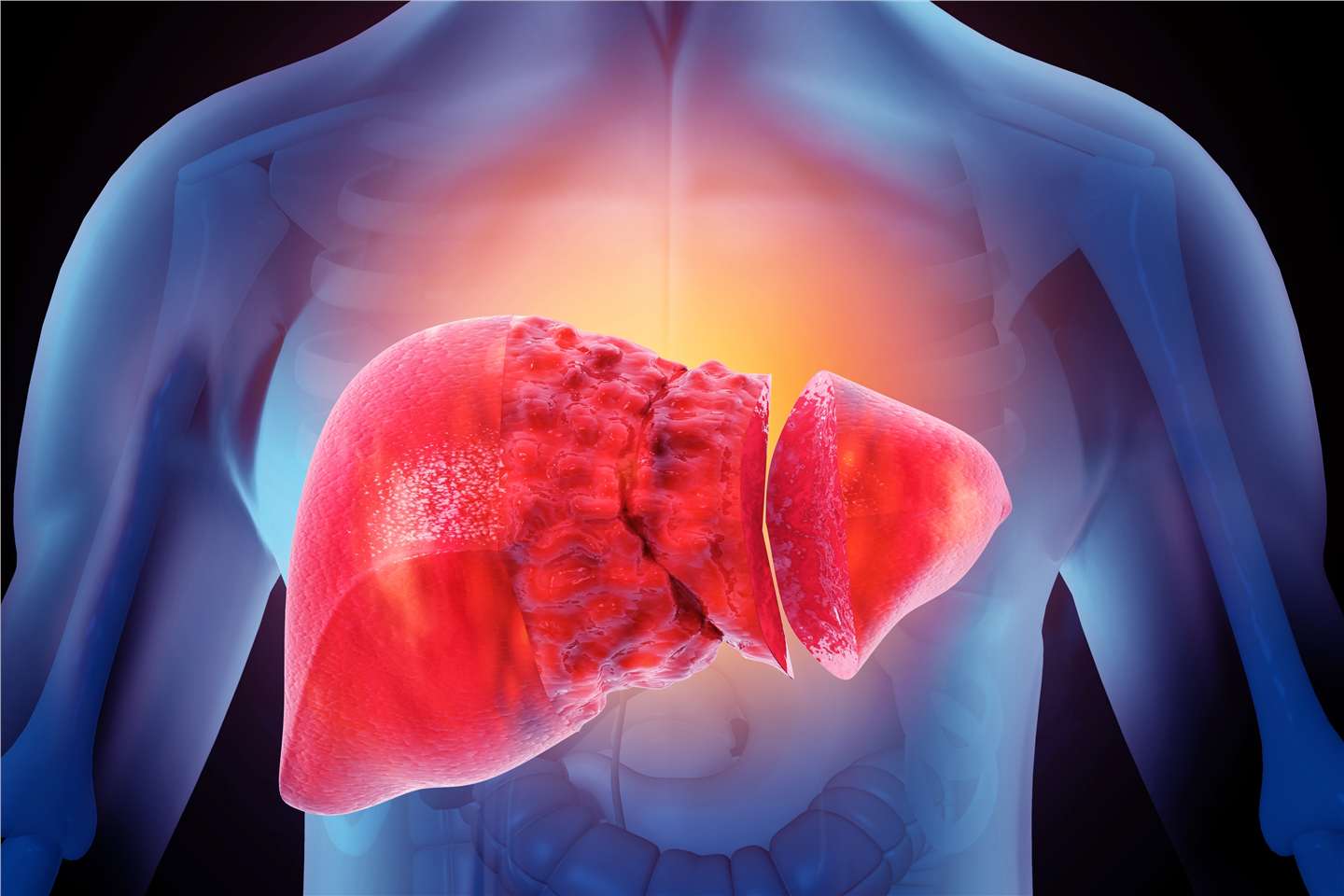
Inflammatory and Fibrotic Disease Models
Organoid systems allow controlled induction of inflammatory and fibrotic phenotypes, supporting studies of chronic inflammatory conditions and tissue fibrosis.
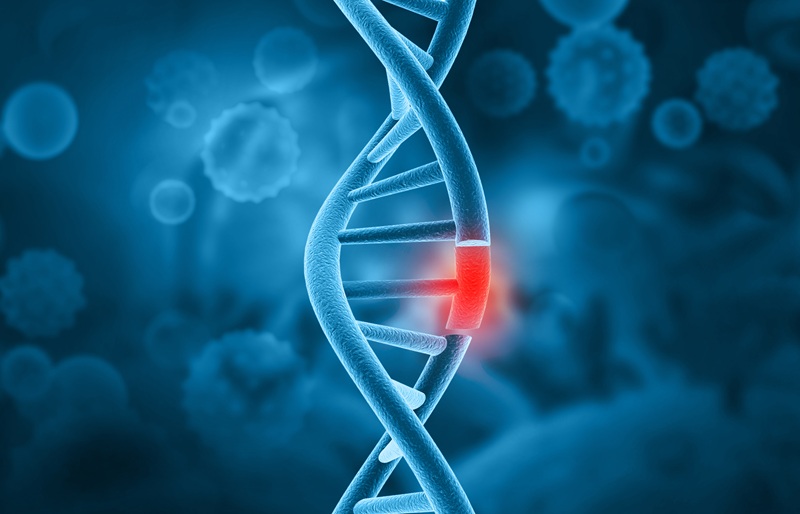
Genetic Disease Organoid Models
Genetically modified or stem-cell-derived organoids enable modeling of inherited disorders and mutation-driven disease mechanisms.
Key Applications of Organoid Disease Models
Drug Screening and Efficacy Testing
Evaluate the efficacy of therapeutics using physiologically relevant cell culture models of disease.

Drug Toxicity and Safety Assessment
Model toxicity using organoids generated from tissues that are highly predictive of in vivo toxicity.
Disease Mechanism Studies
Organoid models support investigation of cellular pathways and biological processes driving disease progression.

Precision Medicine Research
Patient-derived organoids allow evaluation of patient-specific therapeutic responses and treatment strategies.
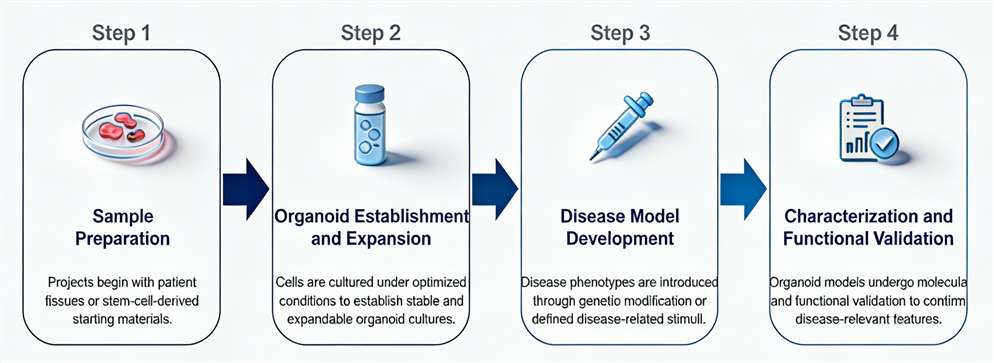
Our Organoid Disease Modeling Workflow
Our standardized workflow ensures efficient generation, validation, and application of high-quality organoid disease models.
Why Partner with Us for Organoid Disease Modeling
With technical expertise and experience across multiple organoid models, flexible experimental design options, and streamlined integrated analysis capabilities, Creative Bioarray is prepared to support your disease modeling studies using organoids.
- Broad Organoid Model Coverage
We offer organoid development services spanning numerous tissue origins, enabling modeling of diverse disease states. - High Physiological Relevance
Our organoid systems replicate key aspects of tissue architecture, cellular diversity, and disease phenotypes, providing more predictive models for translational research. - Scalable Drug Screening Capabilities
Creative Bioarray's organoid disease modeling platform is designed to easily enable drug screening studies. Screen dozens of therapeutic compounds across your organoid models using our drug screening services. - Integrated Molecular Analysis
Organoid disease models can be subjected to transcriptomic and proteomic analysis to better understand the underlying biology of disease. We offer integrated molecular and functional analysis to complement your organoid models. - Compatibility With Advanced Research Platforms
Organoid systems can be integrated with microphysiological platforms and multi-organ models to support complex disease modeling studies. - Flexible and Custom Project Design
We offer fully customizable organoid disease modeling projects. Have specific experimental requirements? Let us know and we will do our best to accommodate your research needs.
Start Your Organoid Disease Modeling Project
Organoid disease models provide powerful tools for studying human disease biology and improving the predictability of preclinical research.
Not sure whether organoid disease modeling fits your project?
Share your research goals with us, and our scientists will help design a customized experimental strategy.
Contact Us