Ready-to-use 3D human cardiac organoids with spontaneous beating activity, designed for cardiovascular disease modeling, cardiotoxicity assessment, and cardiac drug discovery.
- Overview
- Details
- Advantages
- FAQs
Overview
The human heart is a highly organized and mechanically active organ composed of multiple specialized cell types that coordinate electrical conduction and rhythmic contraction. Traditional cardiovascular research models, including 2D cardiomyocyte cultures and animal models, often fail to fully reproduce the structural complexity, multicellular interactions, and physiological responses of human cardiac tissue.
Cardiac organoids provide an advanced in vitro platform for cardiovascular research by recapitulating key aspects of human heart development, tissue organization, and cardiac function. Generated from human induced pluripotent stem cells (hiPSCs), cardiac organoids self-assemble into three-dimensional beating tissues that contain cardiomyocytes and supporting cell populations within a physiologically relevant microenvironment.
What Are Cardiac Organoids?
Cardiac organoids are miniature 3D heart-like tissues derived from stem cells under defined differentiation conditions. These organoids mimic important structural and functional characteristics of human cardiac tissue and provide improved biological relevance compared with conventional monolayer cultures.
- Spontaneous beating and synchronized contraction
- 3D multicellular cardiac tissue organization
- Human cardiomyocyte maturation and functionality
- Electrophysiological activity and calcium handling
- Cell-cell and extracellular matrix interactions
- Long-term culture capability under optimized conditions
Depending on differentiation protocols and maturation stages, cardiac organoids may contain cardiomyocytes, fibroblasts, endothelial cells, and other cardiac-associated cell populations that contribute to tissue organization and physiological responses.
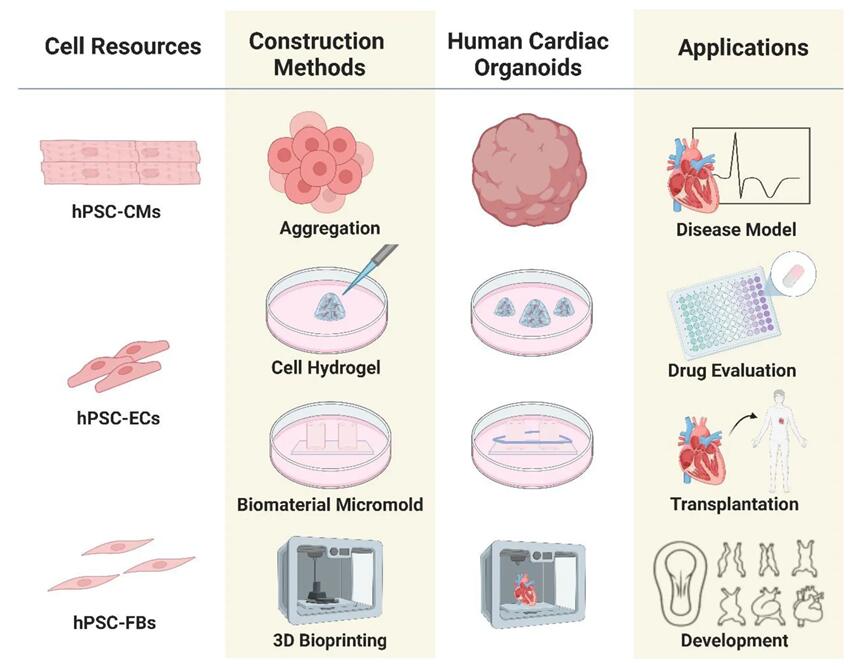 Fig. 1. Outline of the process of organoids culture techniques and bioengineering strategies: organoids can be
generated from different cell sources isolated from human/animal tissue samples (Yaqinuddin A, Jabri A,
et al., 2025).
Fig. 1. Outline of the process of organoids culture techniques and bioengineering strategies: organoids can be
generated from different cell sources isolated from human/animal tissue samples (Yaqinuddin A, Jabri A,
et al., 2025).
Our Ready-to-Use Cardiac Organoids
Our cardiac organoids are developed using optimized hiPSC differentiation and 3D culture technologies to generate highly reproducible human cardiac tissue models suitable for translational cardiovascular research.
Key Features
- Spontaneous beating activity. Cardiac organoids exhibit synchronized contraction and rhythmic beating behavior characteristic of functional cardiac tissue.
- Human-relevant cardiac physiology. Recapitulates important structural and functional properties of human myocardial tissue.
- Multicellular composition. Contains cardiomyocytes and supporting cardiac-associated cell populations within a 3D microenvironment.
- Functional electrophysiology. Supports calcium signaling and electrophysiological activity relevant to cardiac function studies.
- Ready-to-use format. Cryopreserved organoids with optimized recovery workflows minimize preparation time.
- Batch-to-batch consistency. Produced under standardized manufacturing and quality control procedures to ensure reproducibility.
Characterization & Validation
Our cardiac organoids are validated using molecular, structural, and functional assays to ensure biological relevance and experimental reproducibility.
- Cardiac marker expression: Expression of cTnT, α-Actinin, NKX2-5, MYH6, and MYH7 confirmed by immunostaining and qPCR analysis.
- 3D tissue morphology: Organized cardiac tissue architecture with sarcomeric structures and multicellular organization.
- Functional validation: Assessment of spontaneous beating frequency, calcium flux, and electrophysiological activity.
- Quality control: High post-thaw viability, sterility testing, and batch reproducibility evaluation.
Applications
Our ready-to-use cardiac organoids support a broad range of cardiovascular research applications.
- Cardiovascular Disease Modeling: Study myocardial infarction, cardiomyopathy, cardiac fibrosis, arrhythmia, and congenital heart disease using physiologically relevant human cardiac tissue models.
- Cardiotoxicity Screening: Evaluate drug-induced cardiotoxicity, electrophysiological abnormalities, and safety pharmacology responses in human cardiac tissue systems.
- Drug Discovery & Development: Assess compound efficacy, cardiac safety, and therapeutic responses during preclinical cardiovascular drug development.
- Cardiac Development Research: Investigate cardiogenesis, tissue maturation, and mechanisms involved in heart development and remodeling.
- Gene Function Studies: Combine with gene editing and patient-derived iPSC technologies for precision cardiovascular research.
- Regenerative Medicine Research: Support studies related to cardiac tissue repair, regenerative biology, and tissue engineering.
Why Choose Our Cardiac Organoids
- Physiologically relevant human cardiac tissue model with spontaneous beating activity
- More predictive than conventional 2D cardiac cultures for translational cardiovascular research
- Human-derived system that reduces species-related limitations associated with animal models
- Ready-to-use cryopreserved organoids save weeks of differentiation and optimization time
- Reproducible production with rigorous batch quality control
- Compatible with multiple assays including imaging, electrophysiology, calcium flux, and omics analysis
- Versatile platform for disease modeling, cardiotoxicity screening, and drug discovery
FAQs
Q: How are cardiac organoids shipped?
Cardiac organoids are shipped in cryopreserved vials using dry ice or liquid nitrogen vapor shippers to maintain optimal viability and functionality during transportation.
Q: Do the cardiac organoids exhibit spontaneous beating activity?
Yes. Under recommended culture conditions, the organoids display spontaneous and synchronized beating activity characteristic of functional cardiac tissue.
Q: What types of assays are compatible with cardiac organoids?
Cardiac organoids are compatible with a variety of downstream applications including immunostaining, calcium imaging, electrophysiology, gene expression analysis, drug screening, and cardiotoxicity studies.
Q: Can cardiac organoids be customized for disease-specific studies?
We are actively developing disease-specific and customized cardiac organoid models for cardiovascular research applications. Please contact us for additional information regarding available customization options.
Accelerate your cardiovascular research with physiologically relevant human cardiac organoids.
Contact us today to request detailed datasheets, pricing information, or customized cardiac organoid solutions tailored to your research needs.
Online Inquiry