Inquiry
Advancing Microphysiological Systems Beyond Traditional Animal Models
Creative Bioarray's Organ-on-a-chip (OoC) platforms represent the next generation of micro-physiological systems, designed to replicate key structural and functional features of human organs in vitro. By combining controlled fluid flow, mechanical stimulation, and multi-cellular architecture, these systems provide physiologically relevant models that bridge the gap between traditional cell culture and in vivo studies.
Built on a standardized and modular design, our multi-organ platform enables flexible integration of multiple organ modules within a single experimental system. Researchers can configure organ combinations according to specific study objectives, supporting complex biological investigations and a wide range of preclinical applications while maintaining reproducibility and operational efficiency.
Our Comprehensive Organ-on-a-Chip Platforms
Creative Bioarray offers a broad portfolio of validated organ-on-a-chip models, supporting a wide range of therapeutic areas:
Blood-Brain Barrier (BBB)-on-a-Chip
BBB-on-a-chip models mimic selective permeability and endothelial-astrocyte interactions, providing insights into CNS drug penetration and neuroinflammatory responses.
Tumor-on-a-Chip
Tumor-on-a-chip platforms recreate key components of the tumor microenvironment, including stromal and immune cells, to support human-relevant drug efficacy evaluation and immuno-oncology research.
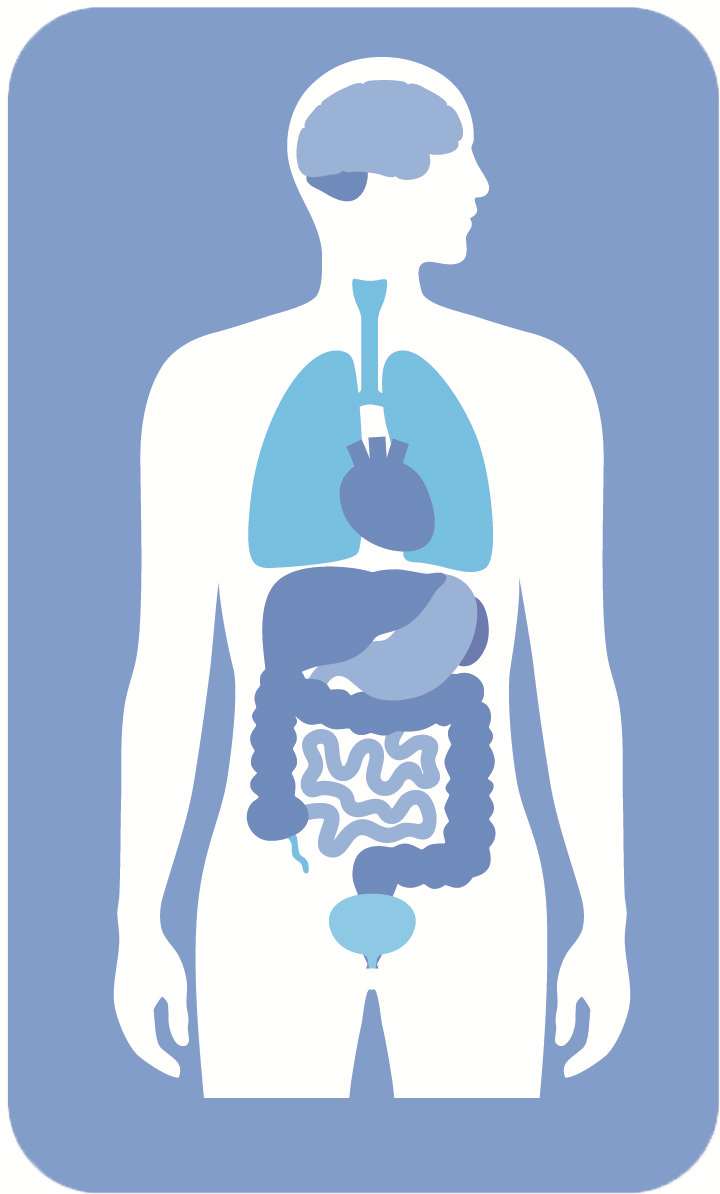
Multi-Organ-on-a-Chip Systems
Coupling multiple organs together allows assessment of organ communication. Ideal for pathway-based pharmacology studies or multi organ ADME/Tox assessment.
Liver-on-a-Chip
Our liver models provide mechanistic assessment of drug metabolism, hepatotoxicity, and potential drug-drug interactions under dynamic perfusion. These systems maintain liver-specific functions and metabolic activity over extended periods.
Lung-on-a-Chip
Our lung-on-a-chip models are capable of recreating the alveolar-capillary interface and applies automated mechanical stretch to simulate breathing patterns. Ideal for studying respiratory toxicology, inflammatory lung disease or aerosol therapy.
Gut-on-a-Chip
Our intestine-on-a-chip model allows cells to differentiate and form an epithelial barrier while maintaining physiological shear stress. Optional microbial co-culture allows evaluation of intestinal absorption, microbiome interactions, and disease modeling.
Advanced Biological Integration
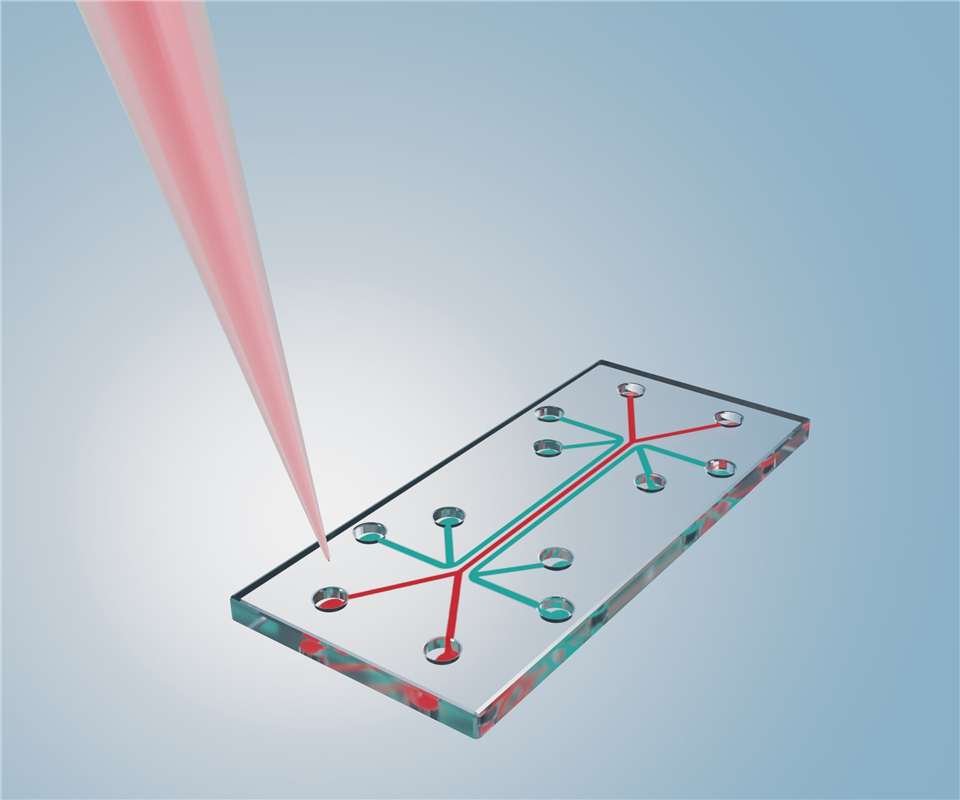
Our OoC platforms leverage advanced biological design to maximize predictive value:
- Primary human cells and iPSC-derived cells
- Patient-derived cells for disease-specific modeling
- 3D extracellular matrix scaffolds
- Controlled shear stress and mechanical stimulation
- Multi-cellular co-culture and organoid integration
These features enable next-generation microphysiological systems tailored for complex disease modeling and drug response assessment.
Why Organ-on-a-Chip
| Feature | Organ-on-a-Chip | Organoid-only | Animal Models |
| Physiological Relevance | High - Mimics key human organ microenvironment with flow and multi-cell interactions | Medium - 3D structure, lacks dynamic cues | Variable - Whole-organism context, species differences exist |
| Translational Predictivity | High - Supports drug absorption, metabolism, and toxicity studies | Medium - Useful for disease modeling, limited systemic insight | Medium/High - Efficacy and toxicity measurable, human translation limited |
| Cost | Medium–High - Chip and instrumentation investment | Medium - Lower culture costs | High - Housing, animals, regulatory compliance |
| Scalability | Medium - Standardizable, moderate throughput | High - Easily expanded for screening | Low - Limited by ethics and logistics |
| Experiment Duration | Short-Medium | Medium | Long |
| Ethical Considerations | Low | Low | High |
| Data Controllability | High | Medium | Low-Medium |
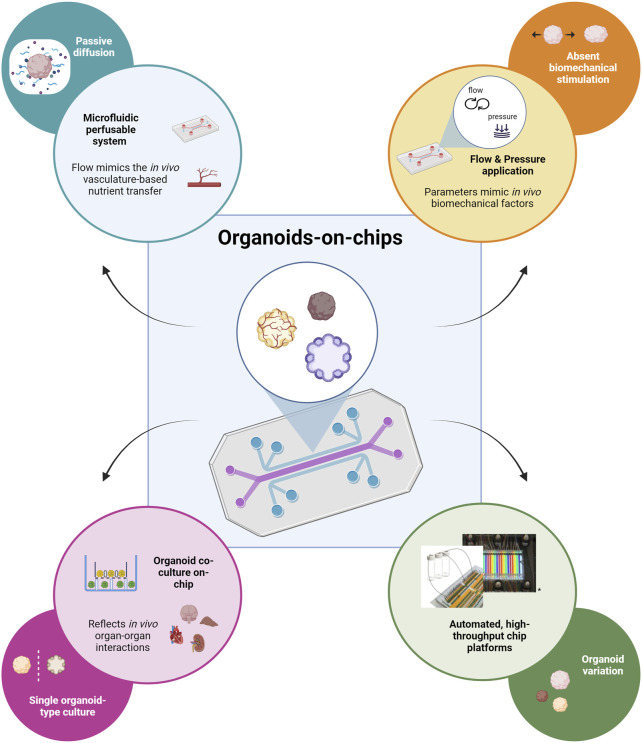 Fig. 1. Schematic representation depicting how organoid-on-chip technology can contribute to addressing the major limitations of typical organoid culture (Papamichail L, et al., 2025).
Applications in Drug Discovery and Translational Research

Drug Response
Gain mechanistic insight into therapeutic responses using dynamic models under physiologically relevant conditions. Evaluate tumor cell lines and inflammation early in your discovery process.

ADME and Safety Assessment
Organ-on-a-chip systems support the evaluation of ADME processes and organ-specific toxicity in a human-relevant setting, complementing traditional in vitro assays and in vivo animal studies.
Immuno-Oncology
Evaluate cytokine signaling and immune cell infiltration in a controlled microenvironment. Used to study inflammatory response pathways.

Disease Modeling
Recapitulate rare and difficult to model diseases in a physiologically relevant setting. Improve confidence in your translational studies.
Why Partner with Us
- Proven expertise in microfluidics and organ-specific modeling
- Integrated CRO capabilities supporting global clients
- Rapid project initiation with reproducible results
- Scalable and adaptable platform design
- Comprehensive support for preclinical drug discovery and translational research
Our services combine scientific rigor with commercial efficiency to accelerate decision-making and enhance confidence in early drug development programs.
Start Your Organ-on-a-Chip Project
Ready to see how our organ chips and physiologically relevant models can benefit your next project? Give us a call or send us an email and let's get started on your next research endeavor.
Contact Us