Unlock the Complexity of Human Biology In Vitro
Our stem cell-derived organoid and microphysiological organ-on-a-chip platforms offer researchers novel access to human relevant biology at scale in a highly defined in vitro environment. We take an interdisciplinary approach utilizing stem cell biology, bioengineering and systems biology to help you ask - and answer - new questions.
Contact Us for a Free Consultation
Modeling Human Biology with Organoids and Organ-on-Chip Systems
To accurately study fundamental biology, in vitro cell and tissue models must reflect the features of human tissues, such as their three-dimensional structure, intricate cell interactions, and developmental processes. Two-dimensional culture systems lack these important aspects of human tissues.
By combining stem cells with advances in culture systems, organoids can be created to model development and physiology of tissues in three dimensions. Organoids share characteristics with their in vivo counterparts including cell differentiation, organization in three dimensions and lineage-specific patterning.
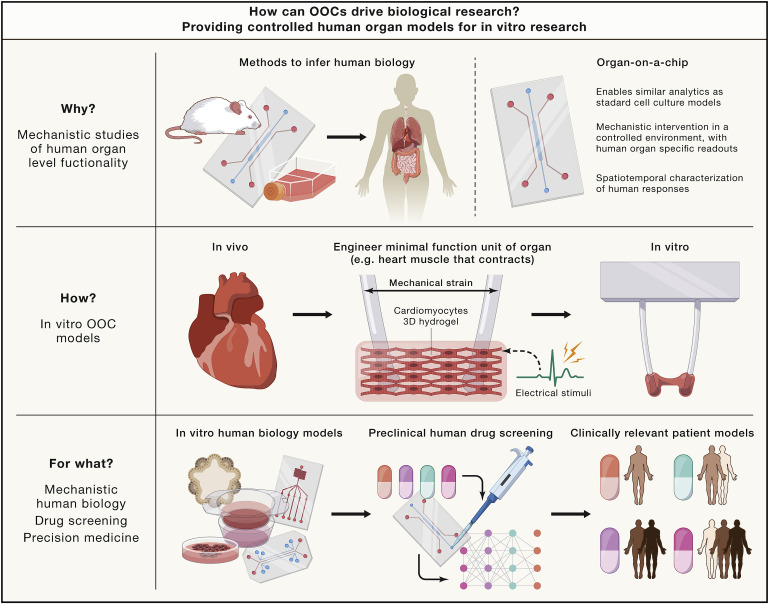 Fig. 1. OOC devices drive biological research (Vunjak-Novakovic G,
et al., 2021).
Fig. 1. OOC devices drive biological research (Vunjak-Novakovic G,
et al., 2021).
Organ-on-chips are similar to organoids but also allow precise control and manipulation of microenvironments. Dynamic culturing conditions can be applied to these systems to learn how issues such as flow, mechanics, and biochemical gradients impact cellular function.
As advances in stem cell biology, tissue engineering, and microfluidics continue to be made, organoids and organ-on-chips will serve as crucial tools for investigating development, neuroscience, and complex cell-cell interactions.
Research Fields We Support
Our advanced in vitro platforms enable researchers to study fundamental biological processes in physiologically relevant human tissue models.
Developmental Biology
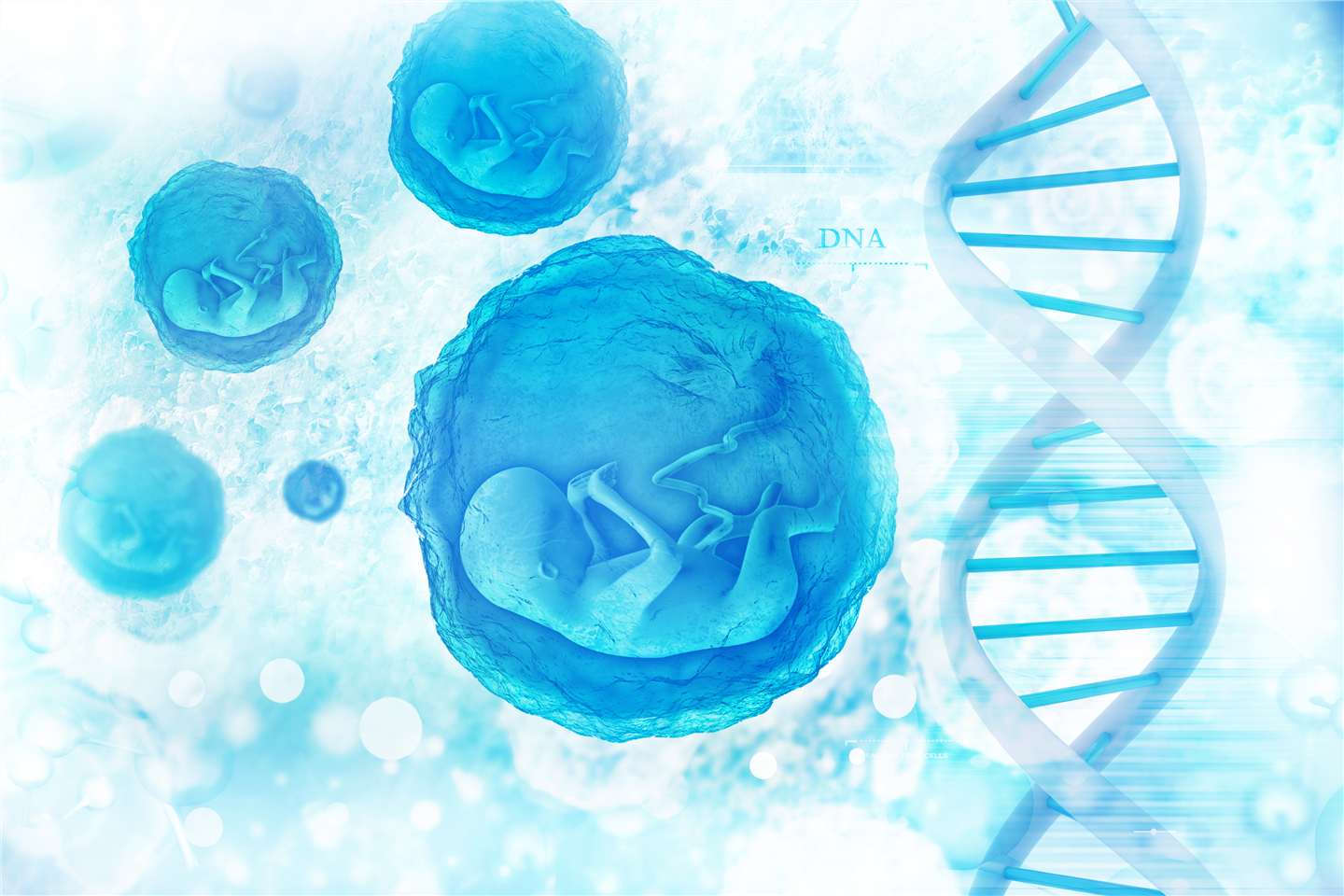
Stem cell–derived organoids enable investigation of tissue morphogenesis, lineage specification, and organ development.
Neuroscience
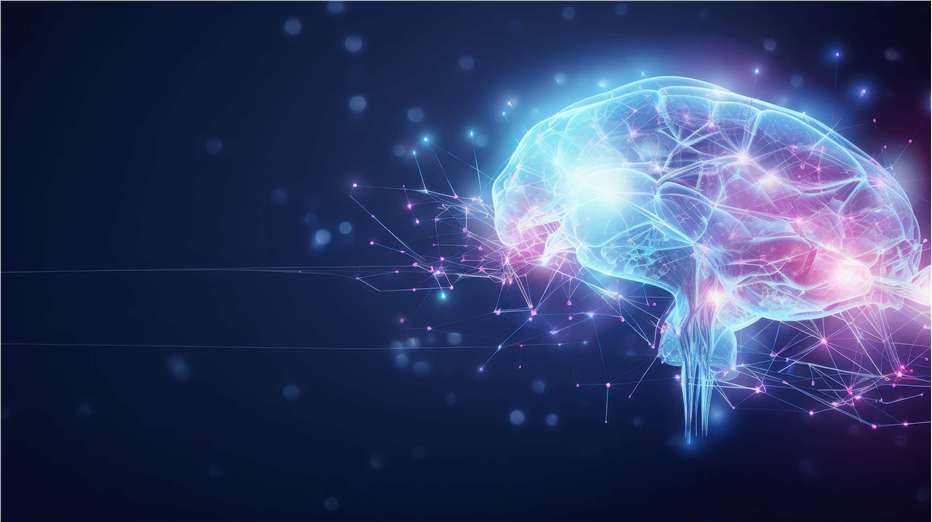
Neural organoid platforms support studies of neural development, neuronal connectivity, and brain function.
Our Platforms: Engineered for Discovery
We provide not just models, but sophisticated experimental systems designed to probe the principles of life.
High-Definition Organoids
Our organoid protocols utilize pluripotent stem cells or tissue-specific stem cells to generate 3D models that resemble organ development, cell composition, and aspects of tissue architecture found in vivo.
Dynamic Organ-on-a-Chip Systems
Our microphysiological systems recreate tissue interfaces and physiological dynamics through tightly-controlled microfluidics and tissue engineering. These factors can be adjusted to recapitulate biomechanical forces, biochemical gradients, and cell-cell interactions.
Integrated Multi-Omic & Functional Analysis
Our suite of readouts allow for your biological findings to become mechanical insights. From live cell imaging to single cell RNA sequencing to electrophysiology and metabolic assays.
Typical Applications
- Stem cell differentiation studies
- Tissue morphogenesis research
- Cell–cell interaction analysis
- Gene function studies
- Functional tissue modeling
- Mechanistic biological research
CTA
Advance fundamental discoveries with next-generation biological models.
Contact our team to explore how our platforms can support your research.
Contact Us for a Free Consultation