
Advanced human-relevant models to study disease mechanisms, drug responses, and therapeutic strategies across multiple disease areas.
Our organoid and organ-on-a-chip platforms enable more physiologically relevant and clinically translational next-generation disease models to power your research from basic discovery to drug development.
Contact Us for a Free Consultation
Human-Relevant Disease Modeling with Organoids and Organ-on-Chip Technologies
Human disease modeling remains one of the most difficult challenges in biomedical research. Two-dimensional cell culture models poorly recapitulate tissue architecture and cell complexity, and animal models frequently do not reproduce disease phenotypes and therapeutic effects seen in human patients.
Three-dimensional organoid technology has been shown to overcome many shortcomings of traditional disease models. By allowing for self-organization in vitro, organoids derived from stem cells or patient tissue faithfully recreate important aspects of native tissue including cell complexity and functionality. Organoids have been successfully used in disease modeling for cancer, genetic diseases, infectious diseases, and gastrointestinal diseases.
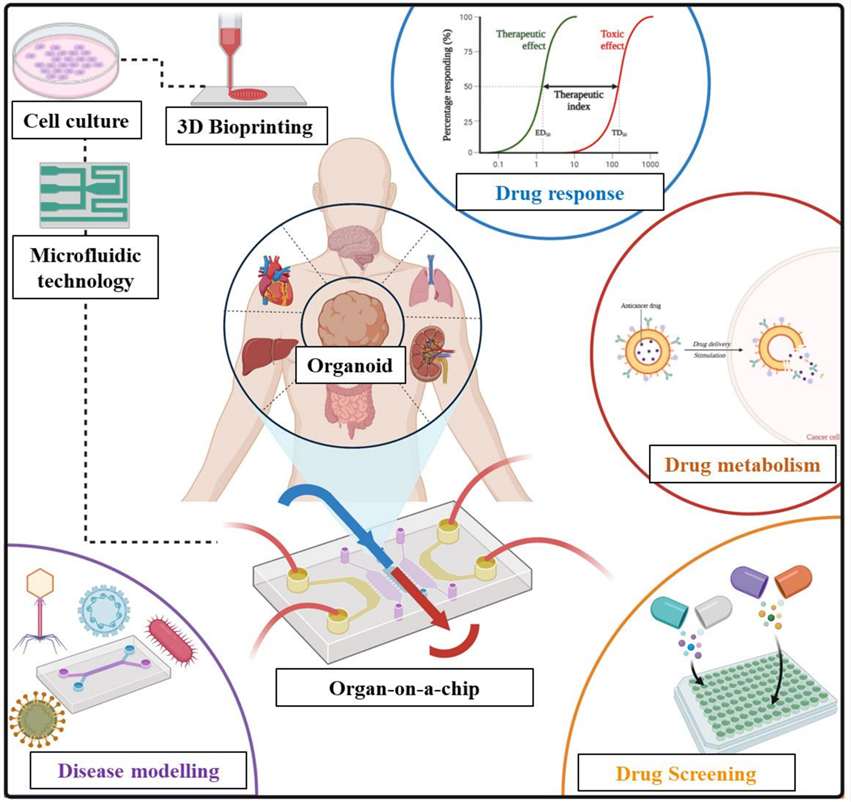 Fig. 1. Integration of organoids with organ-on-a-chip technology for advanced
drug development and disease modeling (Sakthivel V, et al., 2026).
Fig. 1. Integration of organoids with organ-on-a-chip technology for advanced
drug development and disease modeling (Sakthivel V, et al., 2026).
The combination of organoids and microfluidic-based organ-on-chip models allows for further recapitulation of human physiology by enabling control of fluid flow, mechanical forces, and tissue–tissue junctions within the cellular microenvironment. Microfluidic technologies allow for real-time monitoring of cellular behavior in physiologically relevant disease microenvironments. Due to these benefits, organoids and organ-on-chips have been rapidly adopted in disease modeling because they allow for human relevant, scalable, and tunable models of disease.
Disease Areas We Support
Our disease research capabilities are based on advanced organoid and organ-on-chip platforms that replicate key features of human tissues and disease microenvironments.
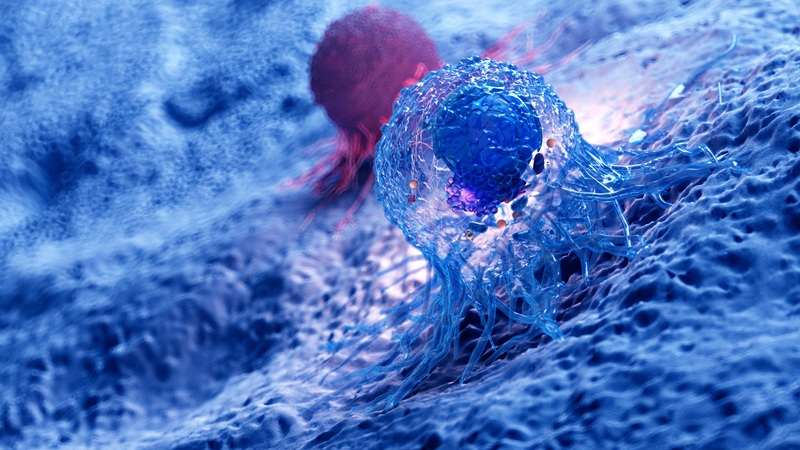
Oncology
We develop patient-derived tumor organoids that preserve tumor heterogeneity and genetic characteristics. Combined with immune cell co-culture and microphysiological systems, these models support studies of tumor biology, drug responses, and immunotherapy evaluation.
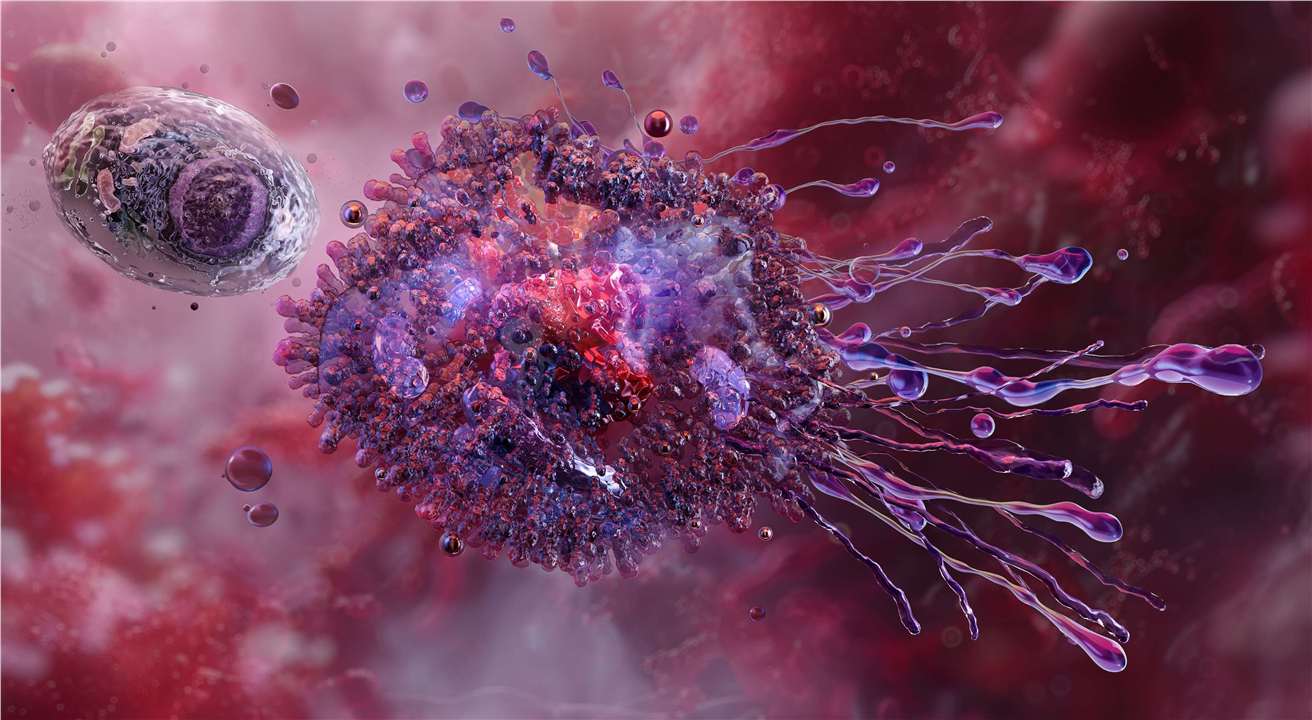
Inflammatory Diseases
Organoid models of epithelial barriers and associated microenvironments allow for study of immune cell crosstalk, cytokine storms, and tissue damage caused by chronic inflammation.
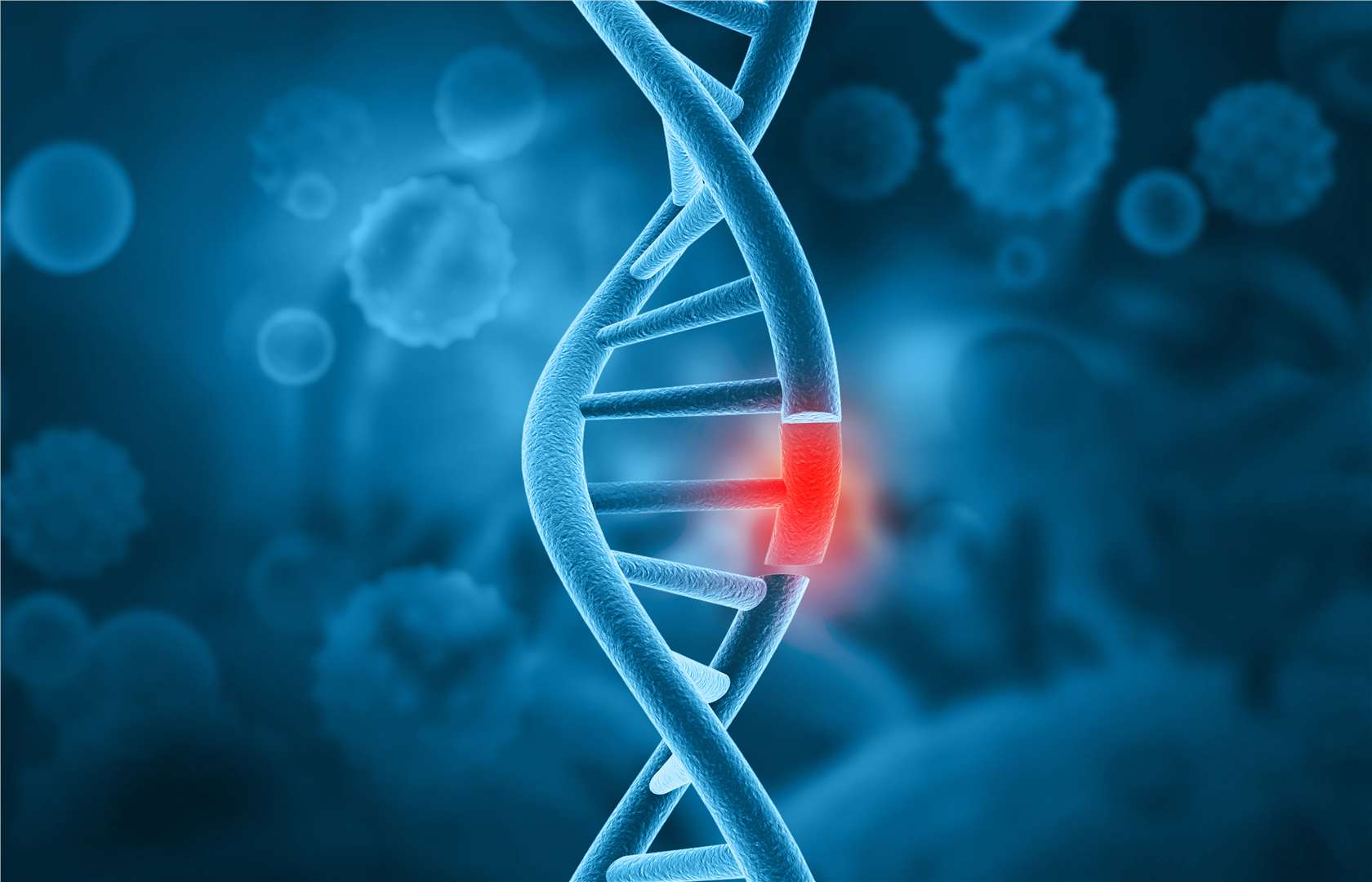
Genetic Diseases
Using patient-derived tissues and stem cell–based organoids, we establish models that retain disease-associated mutations, enabling mechanistic studies and evaluation of gene-targeted therapies.
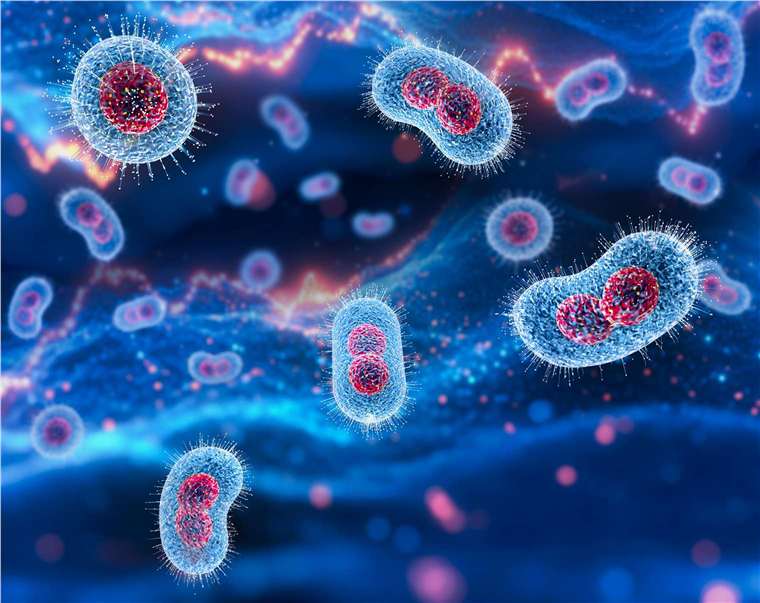
Infectious Diseases
Organoid and microphysiological models can be used to study host–pathogen interactions, tissue-specific infectious disease processes, and host immune response.
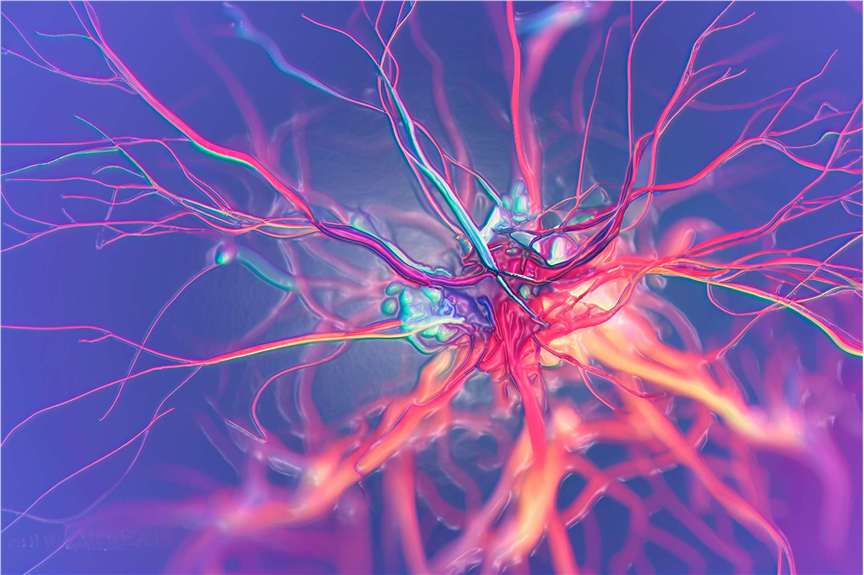
Neurodegenerative Disorders
Brain organoids and neural microphysiological models enable studies of neuronal development, neural network formation, and disease-related cellular changes.
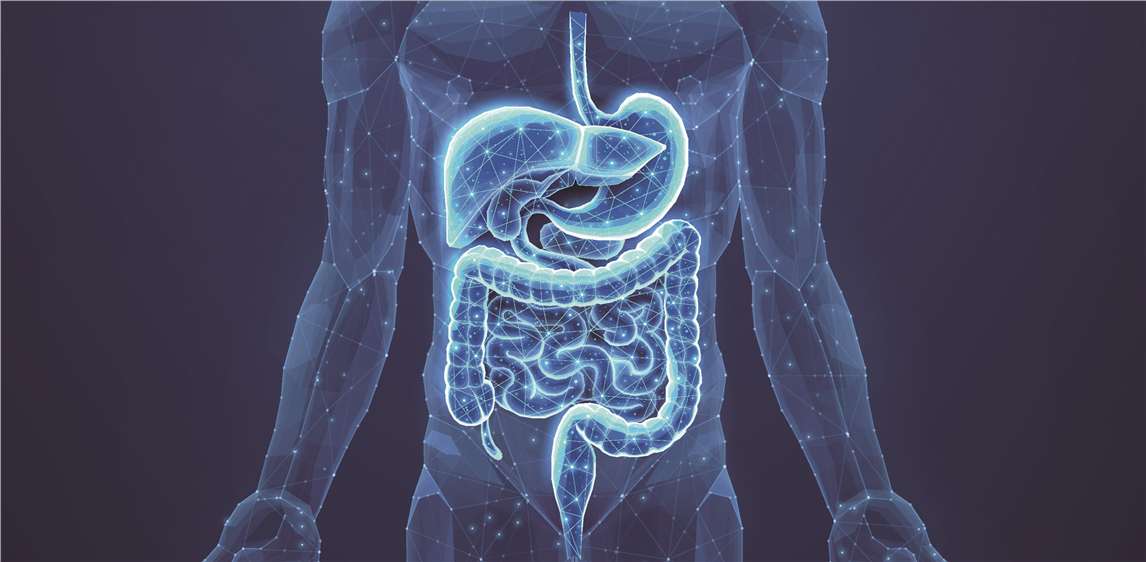
Gastrointestinal Diseases
Our intestinal organoid platforms reproduce the structure and function of the human gut epithelium, supporting research on barrier function, microbiome interactions, and gastrointestinal disorders.
Why Our Platforms Are Leading-Edge
High-Fidelity Organoids
Self-organizing 3D cell cultures derived from stem cells or patient tissue that recapitulate the cellular diversity and important functions of native organs while maintaining genetic makeup and heterogeneity.
Dynamic Organ-on-a-Chip Systems
Microfluidic platforms that mimic key aspects of the tissue microenvironment including fluid shear stress, mechanical forces, and tissue-tissue interfaces.
Integrated Biology Readouts
High-content imaging, omics, and functional assays enable deep mechanistic understanding.
What We Typically Use Our Models For
- Understanding disease mechanism and pathogenesis
- Validating novel targets and screening lead candidates
- Predictive preclinical modeling for efficacy and safety
- Translational medicine and biomarker identification
- Precision medicine and patient-specific disease modeling
- Study of host-pathogen interactions
CTA
Build more predictive disease models with human-relevant systems.
Contact our scientists to discuss the optimal platform for your research project.
Contact Us for a Free Consultation