
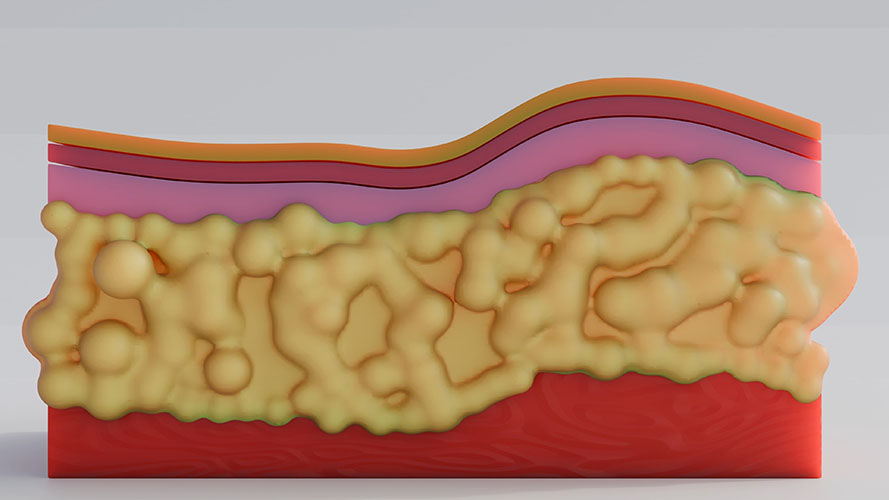
Ready-to-use 3D human adipose tissue organoids designed for obesity research, metabolic disease modeling, insulin resistance studies, and anti-obesity drug discovery
- Overview
- Details
- Advantages
- FAQs
Overview
Adipose tissue is a dynamic endocrine and metabolic organ that plays central roles in energy storage, glucose homeostasis, lipid metabolism, thermogenesis, and immune regulation. Dysregulation of adipose tissue function contributes to obesity, insulin resistance, type 2 diabetes, cardiovascular disease, and metabolic syndrome. However, conventional 2D adipocyte cultures often fail to reproduce the complex multicellular architecture, endocrine signaling, and metabolic functionality of native human adipose tissue.
Adipose tissue organoids are advanced 3D human tissue models that recreate key structural and functional features of adipose biology. Derived from human adipose-derived stem/stromal cells (ADSCs), stromal vascular fraction (SVF), or pluripotent stem cells, these organoids support adipocyte maturation, lipid accumulation, adipokine secretion, and cell-cell interactions in a physiologically relevant microenvironment. Adipose organoids provide a powerful platform for metabolic disease research, obesity studies, drug screening, and endocrine biology.
What Are Adipose Tissue Organoids?
Organoids are self-organizing three-dimensional cellular systems that reproduce important characteristics of native tissues and organs. Adipose tissue organoids specifically mimic several essential features of human adipose tissue, including:
- Mature adipocyte differentiation and lipid droplet formation
- Endocrine activity and adipokine secretion
- White and brown adipose tissue characteristics
- Cellular interactions between adipocytes, stromal cells, and immune-associated cells
- Physiologically relevant metabolic responses
Adipose organoids can be generated under defined 3D culture conditions that support long-term adipogenic maturation and metabolic functionality, making them highly suitable for translational metabolic research.
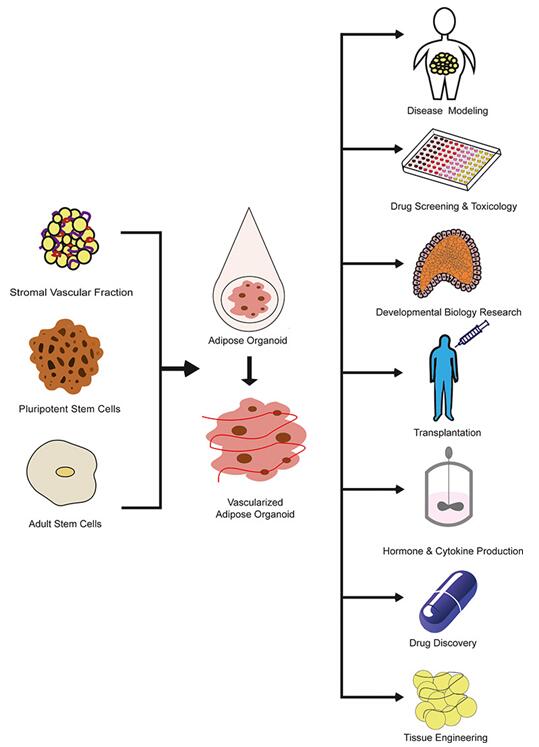 Fig. 1. Schematic overview of adipose tissue organoid generation and applications (Okumuş E
B, Böke Ö B, et al., 2024).
Fig. 1. Schematic overview of adipose tissue organoid generation and applications (Okumuş E
B, Böke Ö B, et al., 2024).
Our Ready-to-Use Adipose Tissue Organoids
Our adipose tissue organoids are high-quality, ready-to-use 3D human adipose models developed using optimized adipogenic differentiation and organoid culture technologies. These organoids provide a robust and reproducible platform for studying adipose biology, metabolic dysfunction, and obesity-associated disease mechanisms.
Key Features
- Physiologically relevant adipose microenvironment with mature adipocyte morphology and lipid accumulation
- Functional endocrine activity including adipokine secretion such as adiponectin and leptin
- Support for white and thermogenic adipose phenotypes depending on differentiation conditions
- Ready-to-use cryopreserved format that minimizes lengthy adipogenic differentiation workflows
- Reproducible performance supported by rigorous quality control and batch consistency testing
Characterization & Validation
Our adipose tissue organoids undergo extensive validation to ensure structural, molecular, and functional relevance.
- Marker expression: PPARγ, FABP4, Adiponectin, Leptin, and C/EBPα confirmed by immunostaining and qPCR
- Adipocyte maturation: Lipid droplet accumulation validated through histological and fluorescent lipid staining assays
- Metabolic functionality: Adipokine secretion and insulin-responsive metabolic activity assessed through functional assays
- Quality control: High viability after thawing, mycoplasma-free status, and low lot-to-lot variability
Applications
Our adipose tissue organoids provide a versatile platform for a wide range of metabolic and translational research applications:
- Obesity & Metabolic Disease Research: Study adipogenesis, adipose dysfunction, insulin resistance, and obesity-associated inflammation.
- Diabetes Research: Investigate glucose metabolism, insulin signaling, and endocrine interactions relevant to type 2 diabetes.
- Drug Discovery & Screening: Evaluate anti-obesity therapeutics, metabolic modulators, and adipose-targeting compounds in human-relevant 3D systems.
- Brown & Beige Fat Biology: Explore thermogenesis, mitochondrial metabolism, and adipocyte browning mechanisms.
- Endocrine & Immunometabolism Studies: Analyze adipokine secretion, inflammatory signaling, and adipose immune interactions.
Why Choose Our Adipose Tissue Organoids
- Human-relevant metabolic biology with physiologically meaningful adipose tissue organization
- Ready-to-use platform that significantly reduces adipogenic differentiation time
- Functional endocrine activity including adipokine secretion and metabolic responsiveness
- Scalable and reproducible for drug screening and metabolic assays
- Versatile applications spanning obesity, diabetes, endocrine research, and metabolic disease modeling
FAQs
Q: What types of adipose tissue phenotypes are supported?
Our adipose tissue organoid platform supports white adipose tissue-like phenotypes and can also be optimized for thermogenic or beige adipocyte differentiation depending on experimental requirements.
Q: Are the organoids suitable for metabolic drug screening?
Yes. Adipose tissue organoids are compatible with metabolic assays, adipokine analysis, insulin response studies, and high-content drug screening applications.
Q: Can adipose organoids model obesity-associated inflammation?
Yes. Adipose organoids provide a physiologically relevant microenvironment for studying inflammatory signaling, adipose dysfunction, and immune-metabolic interactions associated with obesity and metabolic syndrome.
Q: How are adipose tissue organoids shipped?
Organoids are shipped cryopreserved on dry ice or in liquid nitrogen vapor phase shipping containers with optimized recovery instructions to ensure high post-thaw viability and reproducibility.
Accelerate obesity, diabetes, and metabolic disease research with physiologically relevant human adipose tissue organoids.
Contact us today to request product datasheets, pricing information, or customized adipose organoid solutions tailored to your metabolic research applications.
Online Inquiry